5 Things to Know Before You Buy a VonOff1700 Type Beat
Need articles like this for your video? They help promote it on YouTube and Google — order them in the Telegram bot @sat_sit_bot. The bot writes and publishes the articles itself (with your YouTube video embedded) on popular topical websites (no ads). Try it free: 50 articles on us.
· based on the channel Nemii
Key takeaways
- A VonOff1700 type beat is a Chicago drill instrumental built in the style of VonOff1700 and peers like Bloodhound Q50.
- Nemii's "No Smoke" is tagged as a hard Chicago drill type beat and is not a free beat: a license is required before release.
- Lease and untagged purchase options are offered through BeatStars, with a buy-2-get-1-free deal on untagged files.
- Chicago drill typically sits around 130–150 BPM with triplet hi-hats, sliding 808s and dark minor-key samples.
- Type beats are searchable by artist name so unsigned rappers can find a matching sound quickly.
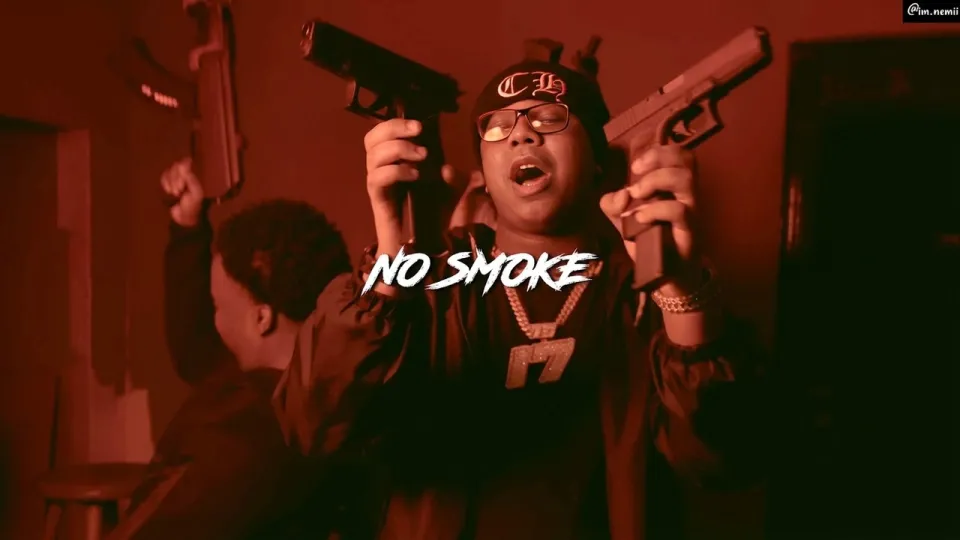
A type beat is an instrumental built to match the sound of a specific artist, so rappers and producers can search by name instead of describing a vibe. A VonOff1700 type beat, for example, is a Chicago drill instrumental shaped around VonOff1700's aggressive, sample-driven style, and Nemii's "No Smoke" is one of the tagged releases filling that niche in 2026. The licensing page for the beat is here: license "No Smoke" and get the untagged files.
What a VonOff1700 type beat actually is
A VonOff1700 type beat is a drill instrumental produced in the style of the Chicago rapper VonOff1700 rather than by him, and it is sold or leased to other artists who want that specific energy. The label works the same way as "Lil Speedy type beat" or "Bloodhound Q50 type beat": the artist name is a search term and a sonic reference, not a claim of collaboration. Producers use it to signal tempo range, drum selection, sample treatment and overall mood, so a rapper can find a beat that already fits the pocket they write in.
Chicago drill is the parent genre. It grew out of Chicago's South Side scene in the early 2010s, then split into regional variants such as UK drill and New York drill. The Chicago strain keeps a rawer, more sample-heavy feel than its descendants, and that is the texture most VonOff1700 type beats aim for.
The anatomy of a hard Chicago drill beat
A hard Chicago drill beat is defined by a dark minor-key loop, fast triplet hi-hats, a sliding 808 bassline and sparse, punchy drums that leave room for an aggressive vocal. Nemii's "No Smoke" is tagged as hard and dark, which usually means the sample carries tension and the drums hit without much decoration. The building blocks are consistent across the subgenre:
- Tempo. Most Chicago drill sits between roughly 130 and 150 BPM, often counted in halftime so the vocal feels slower than the click.
- Hi-hats. Triplet rolls and off-grid patterns are the signature; the hats do most of the rhythmic work.
- 808s. Gliding, portamento bass notes that slide between pitches instead of sitting on one root.
- Sample or melody. A short, looped phrase — strings, choir, piano or a pitched vocal chop — in a minor key.
- Space. Drill mixes are vocal-forward; the beat is designed to sit under a loud, rhythmic delivery.
If you are producing in this lane, the fastest way to sound wrong is to overcrowd the loop. The genre rewards restraint and hard transients.
How licensing works for a type beat
A type beat is not free to release just because you can stream it, and producers split usage into lease and exclusive tiers. Nemii's listing is explicit that "No Smoke" is not a free beat: you need a license before distributing a song on digital platforms. Typical terms in this market look like this:
- Lease (non-exclusive). A limited number of distributed units, a set stream cap, and the producer keeps ownership and the right to resell the beat to others.
- Exclusive. The beat is removed from sale and the buyer gets broader or full rights, usually at a much higher price.
- Untagged files. Paid tiers deliver the instrumental without the producer's audio tag; the free or preview version keeps the tag so it cannot be released as-is.
- Credit. Most leases require a producer credit in the track title or description, formatted as "prod. by" plus the producer name.
Nemii sells an untagged high-quality version with a buy-two-get-one-free offer, and custom or exclusive work is handled directly through Instagram and email. Always read the contract before you upload: stream caps and monetization rules differ from producer to producer.
Choosing a type beat that fits your voice
Choosing a type beat is a matching exercise between your vocal pocket, your subject matter and the instrumental's tempo and key. Before you pay, run a short checklist:
- Check the BPM against your comfort zone. If you write in double-time, a 140 BPM drill loop will feel natural; if you write slow and deliberate, look lower.
- Test the tag position. Preview versions carry a producer tag, so record a scratch verse over the preview to hear where the drop lands.
- Match the mood. A dark, sample-driven beat suits menacing, punchy writing; a melodic loop suits more introspective bars.
- Confirm the structure. Look for a clear intro, two or three verse sections, a hook, and a switch or drop for a bridge.
- Budget for the license, not just the beat. Factor the lease price into what the song will cost to release.
A type beat also functions as a demo tool: many artists use leased beats to build a catalog and audience before commissioning custom production.
Common questions rappers ask about type beats
A recurring worry among artists is whether a type beat can be monetized, and the answer depends entirely on the license tier you buy. Another common doubt is whether using an artist's name in the beat title creates a legal problem: it does not, as long as the listing does not claim the artist performed on it or imply endorsement. Producers, meanwhile, ask how to get their beats found, and the answer is consistent naming — artist name plus "type beat" plus genre plus the current year, which is exactly how "No Smoke" is tagged. The last frequent question is about mixing: a leased beat arrives already mixed and mastered as an instrumental, so the vocal needs to be carved around it rather than the other way round.
Where to find Nemii's beats and contact details
Nemii's catalog, licensing pages and socials are the direct route to the beats and to custom work. Here are the official links:
- License "No Smoke": https://bsta.rs/Hxl2S2
- Buy the untagged high-quality version (buy 2 get 1 free): https://bsta.rs/fCVYYX
- Instagram (custom beats, exclusives, coupon codes): https://www.instagram.com/im.nemii/
- Full catalog and more beats: https://nemiiofficial.com
- Email for custom beats and exclusives: beatbynemii@gmail.com (loops are not accepted)
Conclusion
A VonOff1700 type beat is a searchable, licensable shortcut to the Chicago drill sound: dark minor loops, triplet hats, sliding 808s and room for an aggressive vocal. Nemii's "No Smoke" sits squarely in that lane and is sold as a tagged preview with paid untagged options, so the release path is clear once you pick a tier. If you are ready to record, grab the license for "No Smoke" and check the untagged bundle before you book studio time. The full breakdown of this beat and the rest of the catalog comes from the Nemii channel, which is the place to follow for new Chicago drill instrumentals.
Source: [Hard] VonOff1700 Type Beat - “No Smoke” | Chicago Type Beat 2026 · Markdown version
Questions & answers
Can I release a song on a VonOff1700 type beat for free?
Not if the producer marks it as paid, and Nemii explicitly states that "No Smoke" is not a free beat. You need a lease or exclusive license before distributing on streaming platforms. Free downloads in this market usually keep the producer tag and are for practice only.
Does using an artist's name in a type beat title create legal issues?
No. A type beat title describes a style, not a collaboration, and producers use artist names as search terms. Problems only arise if a listing claims the artist performed on the beat or implies endorsement, which legitimate listings avoid.
What tempo and key should I expect from a Chicago drill type beat?
Most Chicago drill instrumentals run roughly 130 to 150 BPM, often felt in halftime, and sit in a minor key. The loop is usually short and sample-based, with triplet hi-hats and sliding 808s carrying the rhythm.
How do I know if a type beat fits my voice before buying?
Record a scratch verse over the tagged preview and listen for where the drop and hook land. Check the BPM against your writing speed, confirm the section structure, and only then pay for the untagged file.